BRIDGE: A Scientific Data Ecosystem
Open data, software, and schemas for the U.S. Department of Energy's Biological and Environmental Research (BER) community.
Welcome  

Biological sciences are entering a new era — one shaped by data and powered by strategic national resources like BER. These resources do more than store scientific information; they enable discovery by collecting, transforming, and organizing vast volumes of data. A single experimental file may be accompanied by hundreds of thousands to millions of pieces of metadata — contextual details essential for future use. To fully realize the benefits of Artificial Intelligence (AI) in this space, we must go beyond simply accumulating data. We need purposeful, high-quality data — curated and annotated at the time of collection but structured to support future insight and innovation. This requires smart, flexible data systems capable of linking diverse data types across multiple institutions.
Investing in this curated data infrastructure is not just a technical choice, it is a strategic imperative — one that lays the groundwork for predictive science, accelerates discovery, and ensures the U.S. remains at the forefront of scientific innovation.
For more information about the research programs and data centers supported by DOE, click below. It is likely that this list is currently incomplete, to add a resource or otherwise edit this list, please contact smoxon @ lbl.gov - feedback welcome!
Data Lakehouse
The data lakehouse architecture pattern was first described in 2021 (source PDF).
Note
System in development: architecture is subject to change.
Solving today's grand scientific challenges requires more than biology — it demands interdisciplinary innovation in computation and data science. Yet, many of our existing resources are designed with biological research in mind, not computational discovery. While datasets may share high-level descriptors like PI, project, or resource, and feature rich annotations from tools like GO, ChEBI, or KEGG, the connective tissue — samples, analyses, metadata — differs dramatically across platforms.
At JGI, for example, data is organized by PI and proposal, streamlining access for individual users but making it harder to search by organism or taxa. In contrast, NMDC builds around physical samples, EMSL emphasizes instrumentation, and ESS-DIVE focuses on project datasets. This fragmentation poses a major roadblock to scientific discovery — especially for AI systems that thrive on pattern recognition across diverse, structured datasets.
To unlock the full potential of our data, we must reimagine our architecture. We need new data structures and algorithms capable of linking billions of data points across modalities, disciplines, and institutions — making science not just accessible, but truly interoperable and discoverable at scale.

Data Modeling
Creating connections across projects. Each BER resource collects, stores, and aggregates vast amounts of scientific data, with potentially millions of pieces of metadata describing the context of each experiment. Well-defined formats and community standards (GO, ENVO, GOLD, ChEBI, MIxS, and others) exist, but every resource has historically managed its metadata independently with its own models and tools.
BRIDGE is assembling a Data Stewards committee with representatives from each partner organization. The Data Stewards create and maintain LinkML models for every data source registered in their respective lakehouses, building on the foundation of existing schemas. Each lakehouse maintains a data directory describing its holdings, and BRIDGE operates a central registry that indexes across lakehouses so scientists can discover what data exists and where it resides.


National Lab Collaboration

This architecture pattern enables all participants to contribute their own compute and storage infrastructure. Implementation of the same technology stack and collaborative management of the data catalog allows for a logically unified view of distributed assets.
Explore the variety of data available from EMSL, ESS-DIVE, JGI, KBase and NMDC by accessing our code repos, or sites.
Team
Representatives from these institutions have committed time to building the global search resource and data lakehouse.
Partners

Staff
-
Valerie Skye
JGI, BRIDGE
-
Kjiersten Fagnan
JGI
-
Danielle Christianson
ESS-DIVE, BRIDGE
-
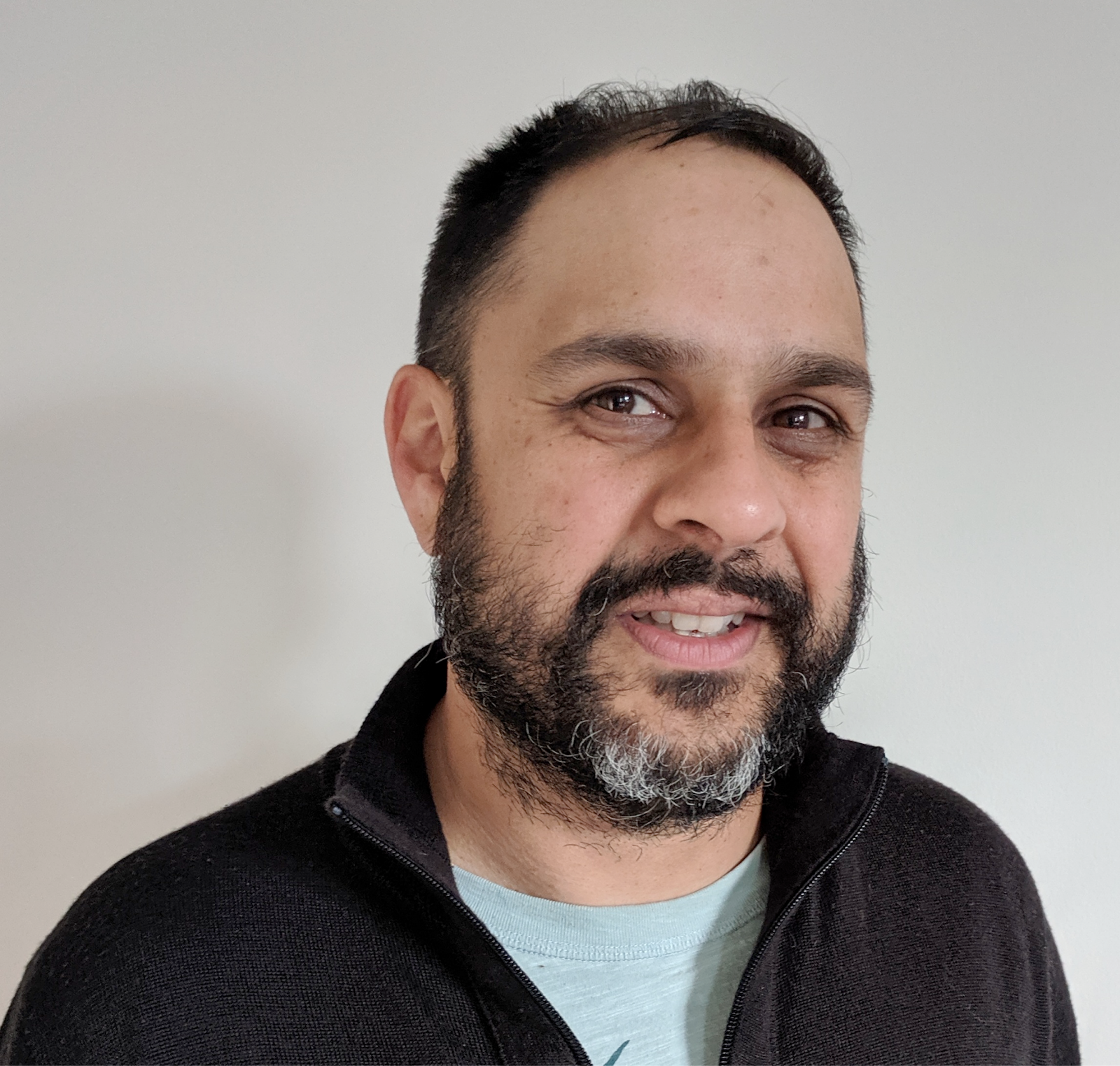
Shreyas Cholia
ESS-DIVE, NMDC
-
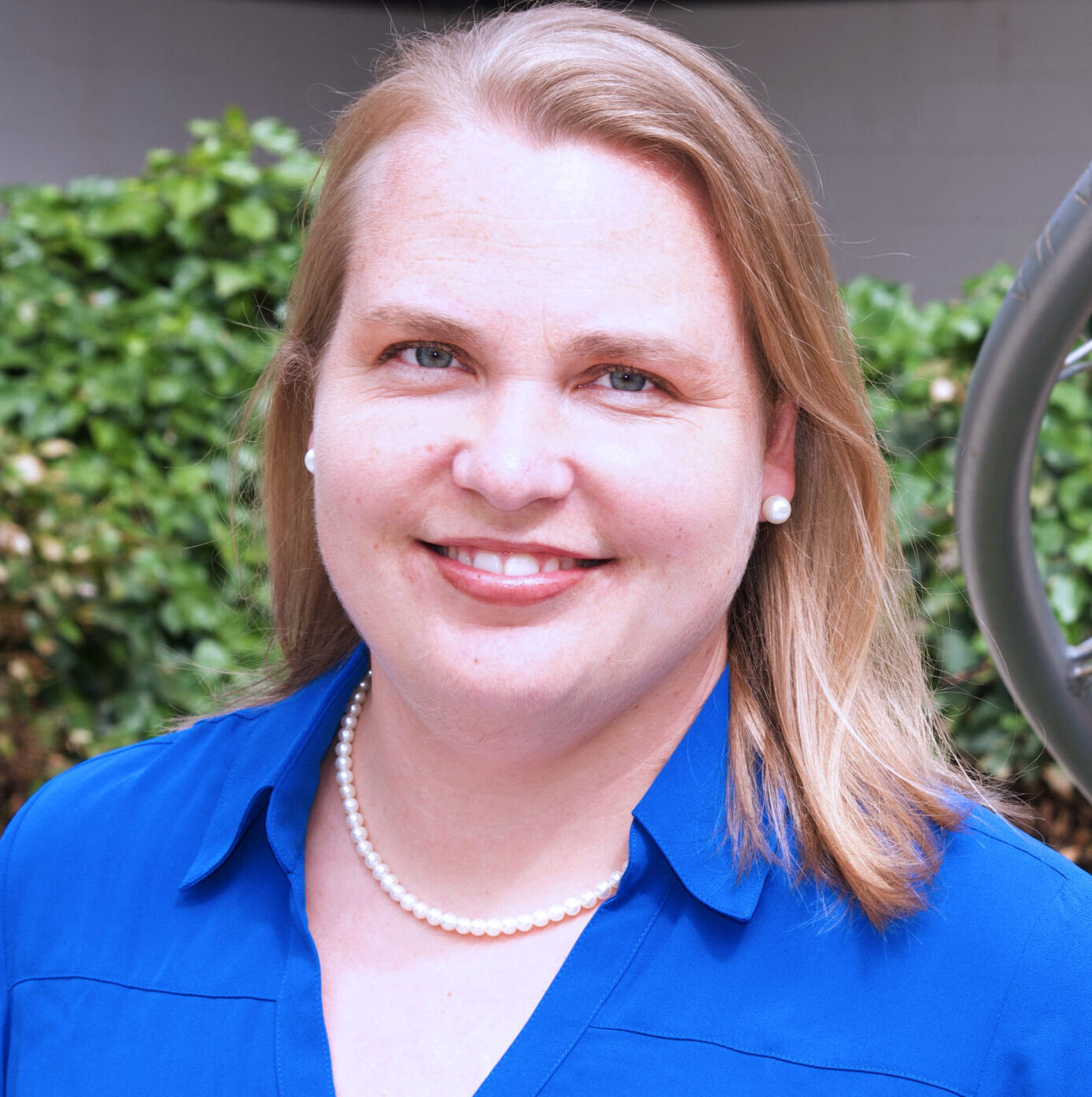
Alicia Clum
NMDC
-
Sierra Moxon
NMDC, BRIDGE
-

Makena Dettmann
EMSL
-

James Carr
EMSL
-
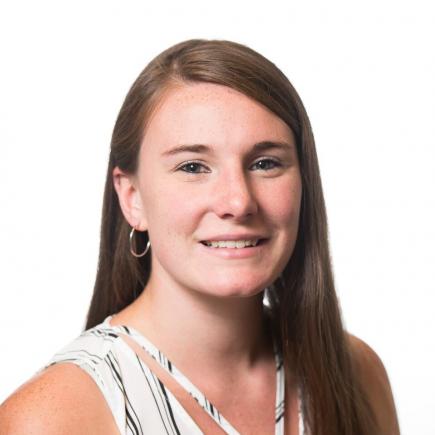
Montana Smith
EMSL, NMDC, BRIDGE
-
Conrad Mearns
EMSL, BRIDGE
-

Ryan Ly
JAMO, BRIDGE
-

AJ Ireland
KBase, BRIDGE
-

Gazi Mahmud
KBase
-
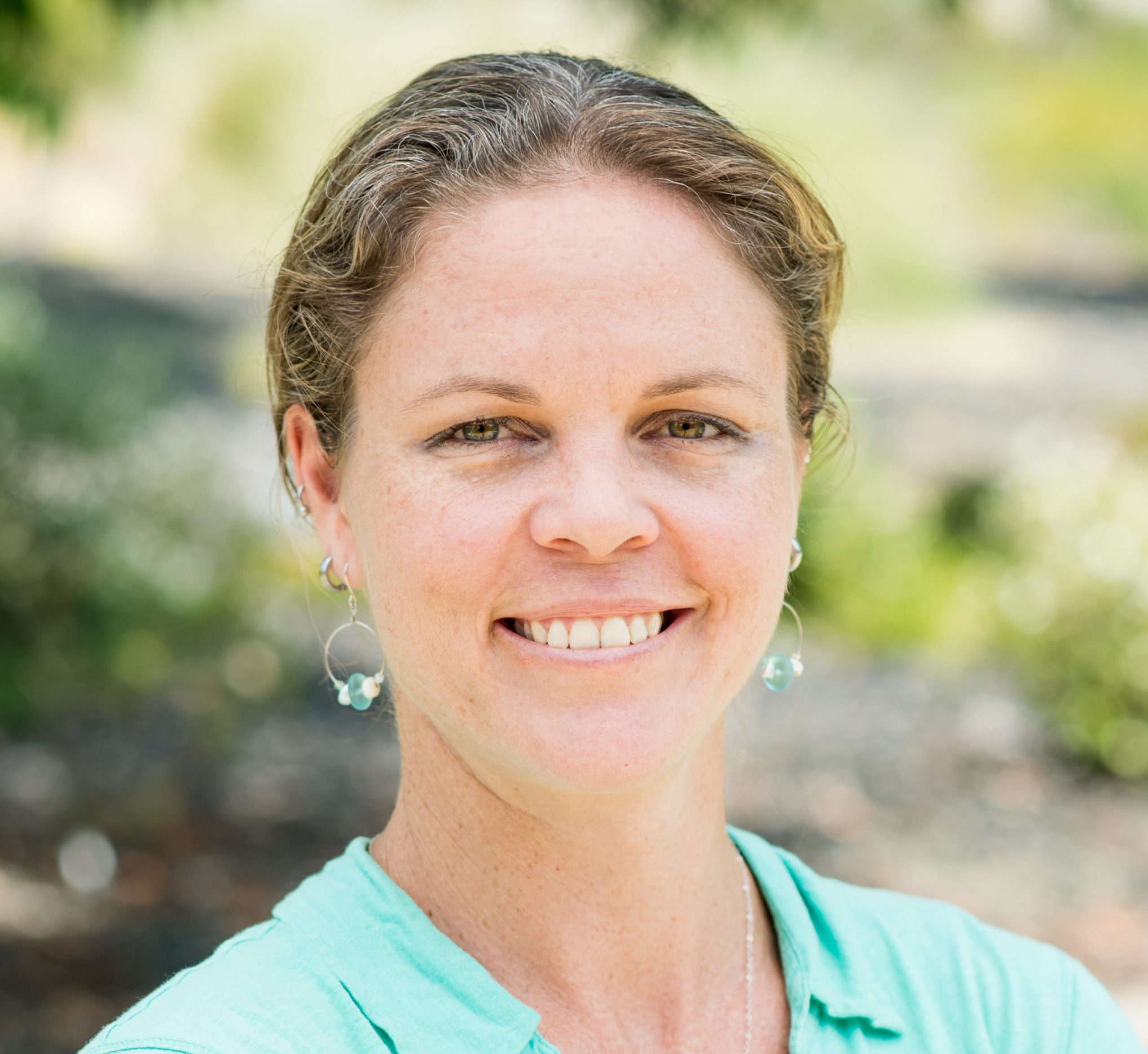
Elisha Wood-Charlson
KBase
-
Georg Rath
JGI, BRIDGE
-
Deanna Beatty
JGI, BRIDGE
Join us
Contributors are welcome. Open an issue or PR on any of our repositories.
Supported by